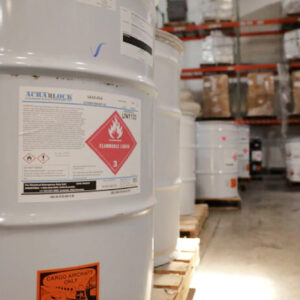
If your business manufactures, stores, or distributes chemicals, batteries, fuels, or industrial products—you’re already in the world of hazmat logistics.
But many companies still don’t fully understand:
👉 What hazmat logistics actually involves
👉 Why compliance is critical
👉 How to scale safely
This guide breaks it all down.
📦 What Is Hazmat Logistics?
Hazmat logistics refers to the transportation, storage, and handling of hazardous materials in compliance with federal, state, and international regulations.
It involves:
Specialized carriers
Regulatory documentation
Safety protocols
Risk management systems
⚙️ Industries That Depend on Hazmat Logistics
Hazmat logistics plays a critical role in:
Chemical manufacturing
Oil & gas
Pharmaceuticals
Aerospace
Battery and electronics production
Industrial cleaning products
If your product can ignite, corrode, react, or harm, it likely falls under hazmat regulations.
🚛 Key Components of Hazmat Logistics
1. Carrier Compliance
Not all carriers can transport hazardous materials.
You must work with carriers registered with:
2. Routing & Risk Planning
Hazmat shipments often require:
Restricted routes
Emergency response planning
Risk mitigation strategies
Some materials cannot pass through tunnels, cities, or certain states.
3. Storage & Handling
Warehousing hazmat requires:
Ventilation systems
Spill containment
Fire suppression systems
Improper storage can lead to serious safety incidents.
4. Documentation & Traceability
Every hazmat shipment must be traceable, including:
Origin
Destination
Material classification
Emergency procedures
Digital platforms are increasingly replacing manual paperwork.
⚠️ Risks of Poor Hazmat Logistics Management
Without proper systems in place, businesses face:
Regulatory fines
Environmental damage
Worker injuries
Supply chain disruptions
One mistake can cost hundreds of thousands—or more.
🤖 The Shift Toward Digital Hazmat Logistics
Modern logistics is moving toward:
AI-powered compliance tools
Automated documentation
Real-time shipment tracking
Predictive risk analysis
Companies that adopt these systems gain a competitive advantage.
💡 Why Businesses Are Choosing GoHazmat
GoHazmat.io helps manufacturers and distributors:
Find compliant carriers instantly
Automate hazmat workflows
Reduce human error
Scale operations safely
It acts as a central hub for hazmat logistics management.
📈 Final Thoughts
Hazmat logistics isn’t optional—it’s a core operational requirement for many industries.
Businesses that invest in proper systems and compliance tools will:
Reduce risk
Improve efficiency
Scale faster
Frequently Asked Questions About Hazmat Logistics
What is hazmat logistics?
Hazmat logistics refers to the transportation, storage, handling, and compliance management of hazardous materials. It involves processes designed to move regulated goods safely while meeting legal and operational requirements.
What types of products usually fall under hazmat logistics?
Products that often fall under hazmat logistics include chemicals, fuels, lithium batteries, aerosols, corrosives, industrial solvents, medical substances, and other materials that may pose safety or environmental risks during transport or storage.
Why is hazmat logistics important for manufacturers and distributors?
Hazmat logistics is important because it helps manufacturers and distributors move regulated products safely, avoid delays, reduce legal exposure, support worker safety, and maintain compliance throughout the supply chain.
Do all carriers transport hazardous materials?
No. Not all carriers transport hazardous materials. Hazmat shipments often require properly authorized carriers, trained personnel, and equipment or procedures that align with the specific material and transportation mode.
What are the main risks of poor hazmat logistics management?
Poor hazmat logistics management can lead to compliance violations, shipment delays, safety incidents, environmental exposure, damaged customer relationships, and increased operational costs.
How does technology improve hazmat logistics?
Technology improves hazmat logistics by helping businesses centralize shipment data, automate documentation, improve traceability, support carrier selection, and reduce human error in compliance-related workflows.
Which industries benefit most from hazmat logistics solutions?
Industries that benefit most from hazmat logistics solutions include manufacturing, chemical distribution, pharmaceuticals, energy, automotive, aerospace, electronics, and industrial supply chains handling regulated materials.
How can a hazmat logistics platform help a growing business?
A hazmat logistics platform can help a growing business by streamlining operations, supporting compliance workflows, improving shipment visibility, reducing manual tasks, and making it easier to manage regulated freight at scale.