


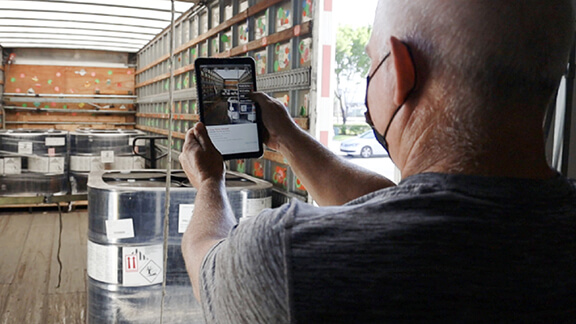
Cleaning products feel ordinary, so shippers often assume they travel like any other box. Many do not. Bleach, ammonia-based cleaners, alcohol sanitizers and aerosol disinfectants can all fall under hazardous materials regulations, and janitorial distributors move them by the pallet every day.
This guide explains how common cleaning products are classified and what to check before you ship. As always, rely on the product’s SDS and the Hazardous Materials Table for the final answer.
Why cleaners are regulated
Cleaning chemicals are designed to react with soil, bacteria or grease. That chemistry can make them corrosive, flammable or oxidizing in transport. Concentration matters: a heavy-duty concentrate may be regulated even when a diluted ready-to-use version is not.
Common cleaning products and how they are often classified
- Bleach (sodium hypochlorite solution): Commonly Class 8, corrosive, often shipped as UN1791. The exact packing group depends on concentration.
- Ammonia solutions: Often Class 8 as well, with entries based on concentration and form.
- Alcohol-based sanitizers and surface wipes: Frequently Class 3 flammable liquids when the alcohol content and flash point meet the thresholds. Gels and liquids can have different classifications.
- Disinfectant sprays and aerosol cleaners: Aerosols are typically regulated by the aerosol entry (UN1950), even when the contents seem mild. See our aerosol shipping guide.
- Acidic cleaners, descalers and drain products: Often Class 8 corrosives.
- Solvent-based degreasers: May be flammable or combustible liquids depending on flash point.
Because formulations vary widely, classification must come from your SDS and testing, not from a product’s category alone.
Reduced-requirement options
Many cleaning products ship to retail and commercial customers in small containers. When the conditions are met, they can often move under limited quantity or consumer commodity provisions, with different packaging, marking and documentation expectations. Learn more about limited quantity versus excepted quantity and the ID8000 consumer commodity rules. These provisions have limits on inner container size and package weight, and they do not apply to every mode in the same way.
Never mix incompatible cleaners
Bleach combined with ammonia or with acids can release toxic gases. In transport, that means incompatible products should not share a pallet without checking segregation rules, and leaking containers should be treated as an emergency. Our segregation guide explains the basics.
Packaging tips for liquid cleaners
- Use closures with intact liners and torque them to manufacturer specifications.
- Place absorbent material and leak-resistant inner packaging in combination packagings when required.
- Orient liquids properly and mark orientation arrows.
- Check that stretch wrap does not cover labels or markings.
- Avoid reusing boxes that previously held other chemicals unless the old markings are removed and the box is in good condition.
Warehouse and e-commerce considerations
If you store cleaning products in a shared warehouse or fulfill online orders, hazmat rules apply to storage, picking and outbound shipping. Review the warehousing requirements and our article on e-commerce compliance for batteries and chemicals.
Paperwork reminders
- Shipping papers with the basic description for regulated products
- Emergency response number monitored 24/7
- Trained personnel signing documents
- Correct labels, marks and orientation indicators
Our pre-shipment checklist is a quick way to catch mistakes before the carrier arrives.
Need help with a janitorial or sanitation product line?
GoHazmat helps distributors, manufacturers and service companies in Miami-Dade, Broward and across Florida classify products, prepare documents and ship compliantly. Request a quote or see our hazmat compliance services.
Frequently asked questions
Is bleach considered hazmat for shipping?
In many forms, yes. Bleach solutions are often classified as Class 8 corrosive materials, but classification depends on concentration and the specific product SDS. Some small consumer containers qualify for reduced requirements.
Is hand sanitizer a dangerous good?
Alcohol-based hand sanitizer is often a Class 3 flammable liquid. Depending on the alcohol content, container size and packaging, it may ship under limited quantity or other provisions.
Can I ship disinfectant spray by air?
Aerosols can be shipped by air only when they meet the specific provisions of the IATA Dangerous Goods Regulations, including packaging and quantity limits. Confirm with your carrier and trained dangerous goods staff first.