


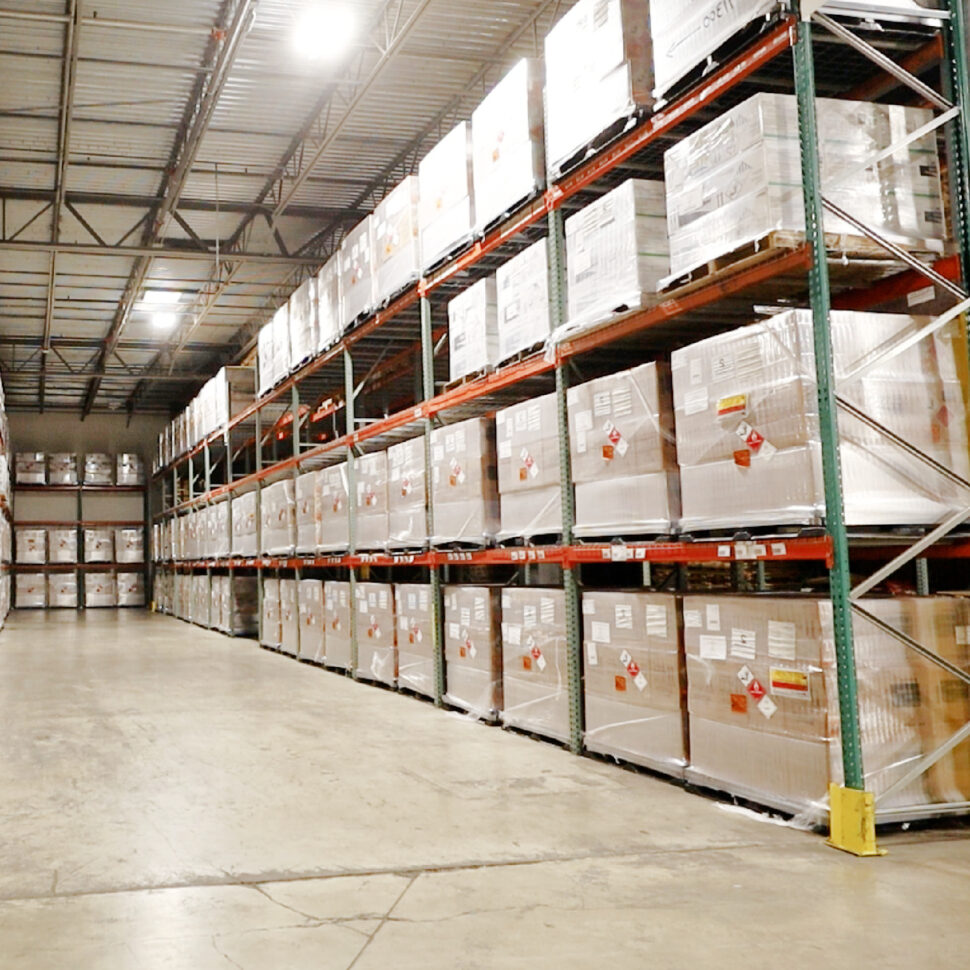
Aerosols are one of the most commonly shipped — and most commonly mis-shipped — dangerous goods in commerce. Hairspray, spray paint, sunscreen, cooking spray, WD-40, air fresheners: if it’s a gas-pressurized can with a spray valve, it’s almost certainly UN 1950, Aerosols, and it’s regulated in every mode of transport.
The good news is that aerosols enjoy generous regulatory relief, especially by ground. The bad news is that the relief has conditions, and every mode plays by different rules. Here’s how it breaks down.
Classification: Division 2.1 vs. 2.2
Aerosols are Class 2 (gases), assigned to UN 1950 and subdivided by their contents:
- Division 2.1 (flammable gas) — the majority of consumer aerosols. Hydrocarbon propellants like propane, butane, and isobutane make the whole article flammable even when the product inside (say, water-based deodorant) is not.
- Division 2.2 (non-flammable, non-toxic gas) — aerosols with non-flammable propellants (often compressed air, nitrogen, or certain HFCs) and non-flammable contents.
A small number of aerosols carry subsidiary hazards (for example, corrosive contents), which changes labeling and can restrict transport options. Classification comes from the manufacturer’s testing and the Safety Data Sheet — Section 14 of the SDS is your starting point. Aerosols exceeding size limits or carrying certain subsidiary risks may be forbidden from air transport entirely.
Ground shipping: limited quantity relief
For highway and rail in the U.S., 49 CFR gives most aerosols limited quantity treatment. In general terms:
- Cans within the size limits in 49 CFR 173.306 are packed in strong outer packagings, with the package kept within the gross weight cap for limited quantities.
- The package displays the limited quantity mark (the black-and-white diamond) instead of a hazard class label.
- No UN specification packaging is required.
- Shipping papers are generally not required for ground limited quantity shipments (unless the material is a hazardous waste or otherwise requires them) — but carrier rules still apply, and LTL carriers may ask for hazmat identification on the BOL regardless.
This relief is why a pallet of hairspray can move by LTL freight without a fully regulated hazmat setup. It is not an exemption from everything: cans must be protected against accidental discharge, the packaging must be adequate, and the old ORM-D consumer commodity marking for ground has been phased out in favor of the LQ diamond.
Air transport: where things tighten up
Air is a different world. Under the IATA DGR:
- Aerosols moving as fully regulated dangerous goods follow the applicable packing instruction for Division 2.1 or 2.2, with per-package quantity limits that differ between passenger and cargo aircraft.
- Limited quantity by air exists too (the “Y” packing instructions), with smaller inner and package limits and the LQ mark bearing a “Y.”
- A Shipper’s Declaration for Dangerous Goods is required for fully regulated shipments, prepared and signed by a trained person.
- Flammable aerosols in larger quantities, or with subsidiary hazards, may be restricted to cargo aircraft only, which matters when your forwarder’s first routing option out of MIA is a passenger flight’s belly hold.
- Certain consumer aerosols can qualify as ID 8000, Consumer commodity for air, which has its own conditions and training implications.
The practical takeaway: never assume the ground LQ setup you use for UPS ground or LTL is acceptable for air. It usually is not, and undeclared dangerous goods discovered in air cargo trigger FAA enforcement against the shipper.
Ocean and the IMDG Code
By vessel, UN 1950 is regulated under the IMDG Code, which also offers limited quantity provisions with its own package limits. Fully regulated ocean shipments need a dangerous goods declaration, proper marks and labels, and attention to stowage and segregation — flammable aerosols have stowage restrictions on board. For containers exporting through PortMiami or Port Everglades, the ocean carrier’s DG desk reviews your declaration before the box is allowed on a vessel, and mismatches between the declaration and the physical freight are a standard rejection reason.
Marking and labeling quick reference
- Ground LQ: limited quantity diamond on the outer package; no hazard label required.
- Air LQ: “Y” limited quantity mark plus applicable handling marks per IATA.
- Fully regulated (any mode): UN 1950 and proper shipping name, Division 2.1 or 2.2 label, orientation and other marks as required, and UN specification packaging where the packing instruction demands it.
- Overpacks: if labels and marks aren’t visible through the overpack, reproduce them and add the OVERPACK mark.
Common ecommerce pitfalls
Ecommerce sellers trip over aerosols constantly. The classics:
- Perfume and cosmetic sprays. A pump spray of alcohol-based perfume isn’t an aerosol — but it’s often a Class 3 flammable liquid (UN 1266). A pressurized body spray is UN 1950. Two products on the same shelf, two different rule sets.
- Spray paint. Nearly always Division 2.1, and frequently shipped illegally in plain boxes by sellers who don’t realize it’s hazmat.
- Butane refills. Butane canisters for lighters and stoves are typically UN 2037 (receptacles, small, containing gas), not UN 1950 — a common misclassification that invalidates the paperwork.
- Marketplace fulfillment. Fulfillment programs have their own hazmat review processes; an unreviewed aerosol ASIN can strand inventory.
- International parcels. Most postal and many parcel channels prohibit or heavily restrict aerosols by air; “it fit in the mailer” is not a compliance strategy.
If you’re unsure where your catalog lands, a hazmat compliance review of your SKUs is a one-time cost that prevents recurring problems.
Damaged, dented, or leaking cans
Aerosol cans get crushed in transit, valves weep, and cases arrive at consolidators with hissing freight inside. Damaged aerosols should not simply be re-taped and re-tendered: a compromised can may need to go into a salvage packaging, and the rest of the case needs inspection and compliant re-boxing. Our Miami hazmat repacking team handles exactly this — segregating damaged cans, repacking sound product into compliant packaging, and re-marking the freight so it can be re-tendered instead of destroyed.
Frequently asked questions
What hazmat class are aerosols?
Aerosols are Class 2 (gases) under UN 1950. Most consumer aerosols with hydrocarbon propellants are Division 2.1 (flammable gas), while aerosols with non-flammable propellants and contents are Division 2.2 (non-flammable, non-toxic gas). Some aerosols also carry subsidiary hazards, such as corrosivity, which affect labeling and transport options.
Can I ship aerosols by ground without hazmat paperwork?
Often, yes. Most consumer aerosols qualify for limited quantity treatment by highway under 49 CFR 173.306: cans within the size limits go in strong outer packagings displaying the limited quantity mark, and shipping papers are generally not required for ground transport. The relief does not carry over to air, where separate and stricter IATA rules apply.
What should I do with damaged or leaking aerosol cans in a shipment?
Do not re-tape and reship them. Damaged or leaking cans should be segregated, placed in salvage packaging where appropriate, and the remaining sound product inspected and repacked in compliant packaging before the shipment is re-tendered. A hazmat repacking service can remediate the freight and re-mark it so it moves instead of being rejected or destroyed.