


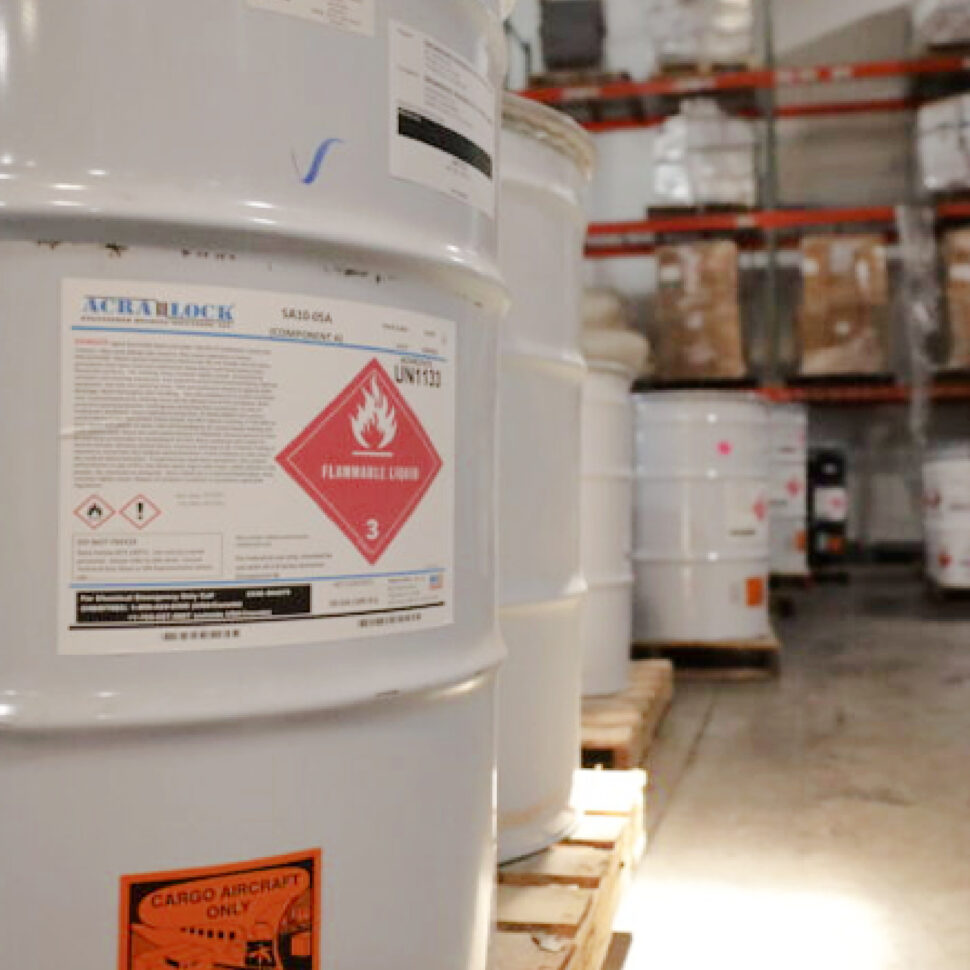
Shipping hazardous materials isn’t just about moving freight—it’s about compliance, safety, and liability protection.
In 2026, regulations continue to evolve, and businesses that fail to follow proper hazmat protocols risk heavy fines, shipment delays, or even shutdowns.
This guide breaks down everything you need to know to stay compliant and ship safely across the United States.
⚠️ What Qualifies as Hazardous Materials?
Hazardous materials (HAZMAT) are substances that pose risks to:
-
Health
-
Safety
-
Property
-
The environment
They are classified by the U.S. Department of Transportation (DOT) into 9 hazard classes, including:
-
Explosives
-
Flammable liquids
-
Corrosives
-
Toxic substances
📦 Key Hazmat Shipping Requirements (2026)
1. Proper Classification
Every shipment must be correctly classified using:
-
UN/NA identification numbers
-
Hazard class/division
-
Packing group
Incorrect classification is one of the #1 causes of compliance violations.
2. Approved Packaging
Hazmat must be packaged using UN-certified packaging that meets strict testing standards:
-
Drop tests
-
Leakproof tests
-
Pressure resistance
👉 Using non-compliant packaging can result in shipment rejection or fines up to $89,000+ per violation.
3. Labeling and Marking
Each package must include:
-
Hazard labels
-
Proper shipping name
-
UN number
-
Orientation arrows (if required)
Even small labeling errors can trigger carrier refusal or inspections.
4. Shipping Papers & Documentation
Required documents include:
-
Bill of Lading (BOL)
-
Dangerous Goods Declaration
-
Emergency contact information
These documents must match the shipment exactly—no discrepancies.
5. Hazmat Training Requirements
Employees involved in hazmat shipping must be trained under:
-
Pipeline and Hazardous Materials Safety Administration (PHMSA) regulations
-
OSHA safety standards
Training must be renewed every 3 years (or sooner depending on role).
🚨 Common Hazmat Shipping Mistakes
Businesses often make these costly errors:
-
Misclassifying materials
-
Using incorrect packaging
-
Missing documentation
-
Expired training certifications
-
Improper labeling
These mistakes can lead to:
-
Delays at terminals
-
Federal penalties
-
Increased insurance liability
🌎 Why Compliance Matters More in 2026
With increased enforcement and digital tracking systems, regulators can now:
-
Audit shipments faster
-
Track compliance violations across carriers
-
Issue penalties more efficiently
Non-compliance is no longer a “risk”—it’s almost guaranteed to be caught.
🤖 How GoHazmat Simplifies Compliance
Platforms like GoHazmat.io are changing the game by helping businesses:
-
Automate hazmat documentation
-
Ensure correct classification
-
Reduce compliance errors
-
Connect with certified carriers
This is especially important as logistics becomes more AI-driven and compliance-focused.
📈 Final Thoughts
Hazmat shipping is complex—but it doesn’t have to be overwhelming.
By following proper procedures and leveraging modern tools, your business can:
-
Stay compliant
-
Avoid costly penalties
-
Ship with confidence
Frequently Asked Questions About Hazmat Shipping Requirements
What are the basic hazmat shipping requirements in the U.S.?
Basic hazmat shipping requirements in the U.S. include proper material classification, approved packaging, correct labels and markings, complete shipping papers, emergency contact information, and employee training that aligns with applicable hazardous materials regulations.
Who regulates hazardous materials shipping in the United States?
Hazardous materials shipping in the United States is primarily regulated by the U.S. Department of Transportation through the Pipeline and Hazardous Materials Safety Administration. Other agencies and carrier requirements may also apply depending on the material, route, and mode of transportation.
How do I know if my product is considered hazardous material?
A product may be considered hazardous material if it presents risks to health, safety, property, or the environment during transportation. Common examples include flammable liquids, corrosives, compressed gases, lithium batteries, toxic substances, and certain industrial chemicals.
What documents are required for a hazmat shipment?
Required documents can include shipping papers, a bill of lading, emergency response information, and other carrier-specific or mode-specific documentation. The exact paperwork depends on the classification, packaging, quantity, destination, and transportation mode.
How often do hazmat employees need training?
Hazmat employees generally need recurrent training every three years under U.S. hazmat rules, although additional training may be needed sooner when job functions change or when new regulatory requirements apply.
What are the most common hazmat shipping mistakes businesses make?
Common hazmat shipping mistakes include misclassifying the material, using non-compliant packaging, applying incorrect labels, submitting incomplete documentation, and allowing employee training to lapse.
Can hazmat shipping software help reduce compliance risk?
Yes. Hazmat shipping software can help reduce compliance risk by improving classification workflows, standardizing documentation, flagging missing shipment details, and supporting more consistent shipping processes across teams.
What industries need hazmat shipping compliance support?
Industries that commonly need hazmat shipping compliance support include chemical manufacturing, automotive, battery and electronics, medical supply, oil and gas, industrial cleaning products, aerospace, and distribution businesses that handle regulated materials.