


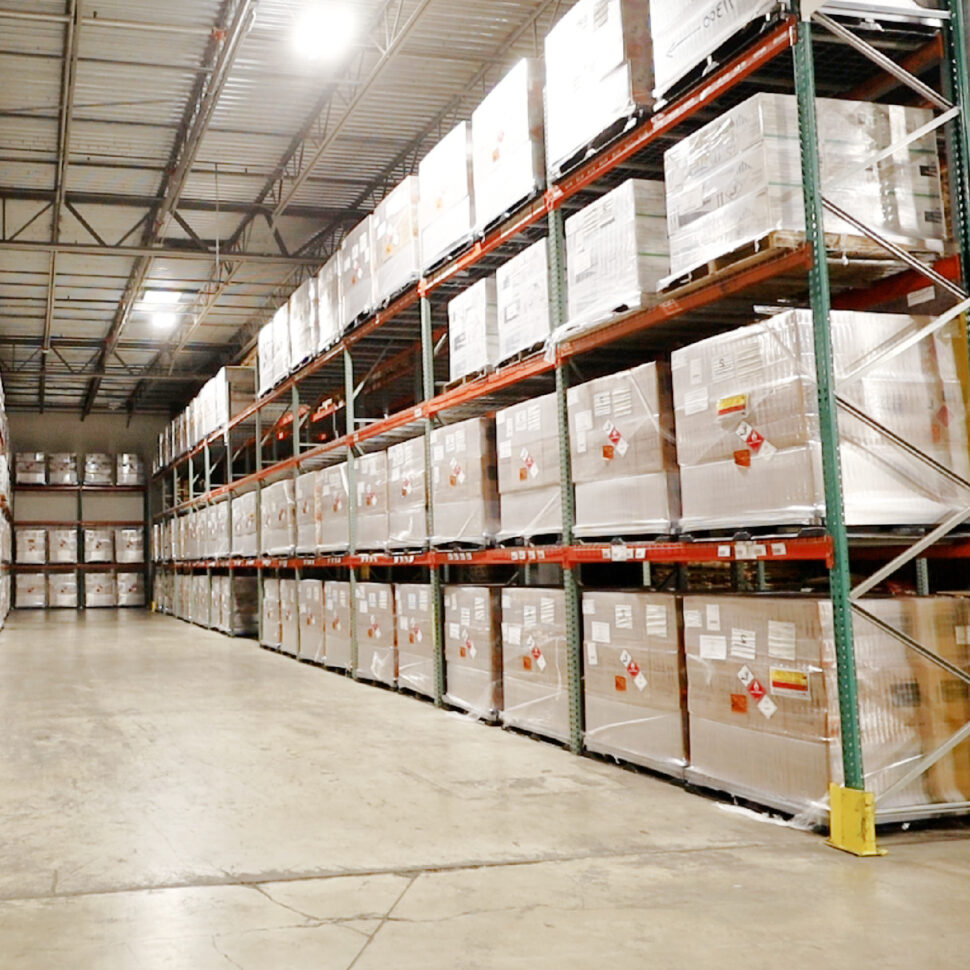
The call usually comes in the afternoon: an airline’s dangerous goods acceptance staff at MIA has refused a shipment, or an ocean carrier’s DG desk has flagged a container booked out of PortMiami. The freight is now sitting at a forwarder’s warehouse, the flight or sailing is hours or days away, and nobody on-site is trained or equipped to fix it.
This is the most common emergency we handle at Go Hazmat, and it’s fixable — usually faster than shippers expect. Here’s why dangerous goods freight gets rejected in South Florida, what a compliant repack actually involves, and how to keep a rejection from becoming a missed booking.
Why DG freight gets rejected at MIA and the seaports
Airlines and ocean carriers accepting dangerous goods run a formal checklist against every shipment. In our experience, rejections in the Miami market cluster around a handful of causes:
- Damaged packaging. Crushed corners, punctures, wet or stained fiberboard, dented drums. Even cosmetic damage can fail acceptance, because the acceptance agent can’t verify the package still meets its tested performance.
- Wrong or missing marks and labels. UN specification marks that don’t match the declared packing group, missing UN numbers, wrong hazard labels, illegible or obscured marks, missing orientation arrows on liquids.
- Failed or improper closures. Boxes taped in a pattern that doesn’t match the manufacturer’s closure instructions, drum closures without proper torque or gaskets, unsecured inner caps. Closure compliance is mandatory, not advisory.
- Non-compliant inner packagings. Inner containers that exceed the packing instruction’s limits, incompatible inners mixed in one box, missing absorbent material, or a packed configuration that doesn’t match the tested 4G system.
- Paperwork that doesn’t match the freight. The declaration says four boxes; the pallet has five. The declared net quantity exceeds the packing instruction limit. The technical name is missing on an N.O.S. entry.
What a compliant repack actually involves
A proper hazmat repack is more than swapping boxes. Our hazmat repacking team works through a defined sequence:
- Assessment. Identify the material from the SDS and paperwork, confirm the correct classification, and determine why the freight failed — because repacking into a new box doesn’t help if the real problem is a quantity over the packing instruction limit.
- Segregation. Separate damaged units from sound ones. Leaking or suspect containers are isolated immediately.
- Repacking into compliant packaging. Sound inner containers move into appropriate UN specification packaging — often 4GV variation boxes, which accept a range of inner packagings when packed with the required cushioning and absorbent, or new drums where the freight demands it.
- Closure per instructions. Every package is closed exactly as the packaging manufacturer’s closure instructions require, by trained personnel.
- Marking and labeling. New packages get correct UN numbers, proper shipping names where required, hazard labels, orientation arrows, and any handling marks — verified against the paperwork, not from memory.
- Re-documentation. The DG declaration is re-issued to match the freight as it now exists.
Salvage drums and overpacks: two different tools
Two terms get confused constantly:
- A salvage drum (or salvage packaging) is a specially tested container — marked with a “T” in the specification mark — into which a damaged, defective, or leaking package is placed for transport to disposal or remediation. The compromised package goes inside whole, with compatible cushioning and absorbent.
- An overpack is a consolidation device for compliant packages: a pallet with shrink wrap, or a larger box enclosing several UN-spec boxes. It must be marked “OVERPACK” when the inner marks aren’t visible, but it adds no containment performance and cannot cure a damaged package.
Putting a leaking drum inside an ordinary overpack doesn’t make it legal. Matching the right tool to the situation is a big part of the assessment step.
The clock is running: time pressure and storage
A rejected international shipment in Miami is racing at least three clocks: the rebooked flight or vessel cut-off, free-time and storage charges at the forwarder or terminal, and, for temperature-sensitive product, the product itself. Perishable DG combinations — think biological shipments cooled with dry ice — add a fourth clock, and our dry ice services team can replenish coolant while the packaging issue is resolved.
Freight also needs somewhere lawful to sit while it’s remediated. Most forwarder warehouses aren’t set up to hold damaged dangerous goods, and terminals want rejected freight gone. Go Hazmat’s secure, temperature-controlled hazmat warehousing in Miami — minutes from MIA’s cargo area, with drayage reach to PortMiami and Port Everglades — gives rejected shipments a compliant place to land, get repacked, and stage for re-tender.
Re-issuing the DG declaration on-site
A repack almost always invalidates the original paperwork: package counts change, gross weights change, packaging types change from what was declared. The final step that actually gets freight moving again is a corrected, signed dangerous goods declaration matching the remediated shipment.
Our mobile hazmat documentation team handles this at the point of repack — at our facility, your warehouse, or a forwarder’s dock — verifying the physical freight package by package and issuing the new declaration on the spot. That closes the loop the same day instead of adding another round-trip of emailed drafts while storage charges accrue.
What to do the moment your freight is rejected
- Get the rejection reason in writing from the carrier or acceptance agent.
- Photograph the freight and its marks before anyone touches it.
- Don’t let untrained staff “fix” the packaging; an improvised repair usually adds a second violation to the first.
- Call a hazmat 3PL with repack capability, storage, and documentation under one roof. In South Florida, that’s us: 786-445-0150, at 3300 NW 110th St., Suite 104, Miami — or reach out through our contact page.
Most rejected shipments we see are remediated and re-tendered within one to two business days. The freight was never the problem — the packaging and paperwork were, and both are fixable.
Frequently asked questions
How fast can rejected hazmat freight be repacked in Miami?
It depends on the material, the rejection reason, and packaging availability, but straightforward cases — damaged outer boxes, wrong marks, closure failures — are commonly repacked, re-documented, and ready for re-tender within one to two business days. Getting the written rejection reason and photos to the repack team quickly is the biggest factor in turnaround.
What is the difference between a salvage drum and an overpack?
A salvage drum is a tested packaging (marked with a “T”) designed to enclose a damaged, defective, or leaking package for safe transport. An overpack is only a consolidation of already-compliant packages, such as shrink-wrapped boxes on a pallet, and provides no containment performance — it cannot be used to fix a damaged or leaking package.
Does repacked freight need new shipping paperwork?
Almost always, yes. Repacking typically changes the package count, packaging types, and gross weights from what was originally declared, so the dangerous goods declaration must be re-issued to match the freight as remediated. A mobile documentation team can verify the repacked shipment and issue the corrected, signed declaration on-site.