


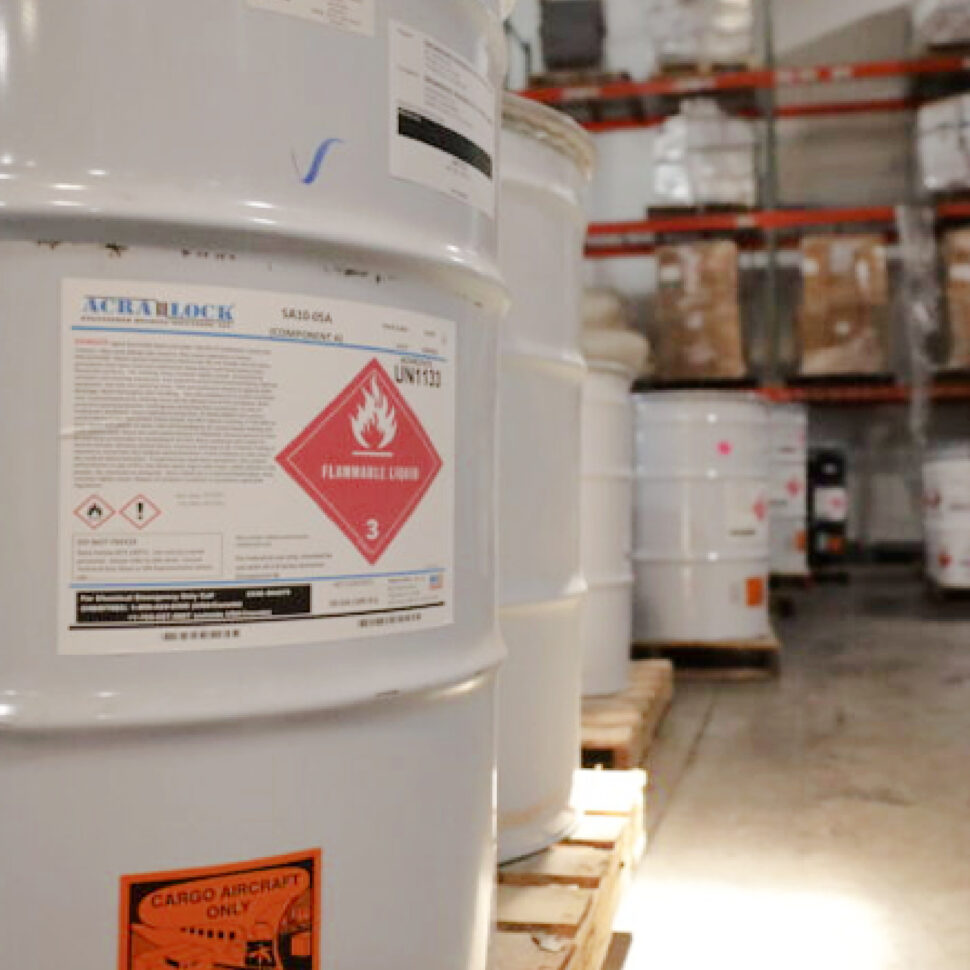
Most hazmat shipping problems are not surprises at the dock. They are small mistakes that were already baked in days earlier: a missing emergency phone number, a box with the wrong UN marking, a shipping paper with the wrong packing group. A short checklist run before pickup catches nearly all of them.
Use this ten-point list as a final review. It is written for shippers in Miami-Dade, Broward and across South Florida, but the checks apply anywhere in the U.S.
1. Confirm the product is actually regulated
Start with the Safety Data Sheet. Section 14 lists transport information, including UN number, proper shipping name, hazard class and packing group where available. Treat it as a starting point and verify against the Hazardous Materials Table in 49 CFR 172.101. Our guide to reading SDS Section 14 walks through the details.
2. Check the classification details
Write down the UN number, proper shipping name, hazard class, packing group and any technical name required in parentheses (for example for “n.o.s.” entries). Those four elements must match across your shipping paper, packaging and labels.
3. Use the right packaging
Fully regulated hazmat generally needs UN specification packaging that is rated for the material, the packing group and the gross weight. Read more in our explanation of UN-rated packaging. Make sure closures are installed per the manufacturer’s closing instructions and that inner packagings are cushioned and absorbent where required.
4. Mark every package correctly
Each package typically needs the proper shipping name, UN number, shipper and consignee details where required, and orientation arrows for liquids in combination packagings. Old markings from previous contents must be removed or covered. See our labels and markings guide.
5. Apply the hazard labels
Put the correct hazard class labels on each package, and subsidiary risk labels where they apply. Labels should be visible, durable and placed near the shipping name marking.
6. Complete the shipping paper
The description must follow the required order: UN identification number, proper shipping name, hazard class, and packing group, plus total quantity and number and type of packages. The paper also needs the shipper’s certification where applicable. Our article on shipping papers and the Emergency Response Guidebook explains each element.
7. Include a 24-hour emergency response number
A monitored emergency response telephone number must appear on the shipping paper for most hazmat shipments. The person answering must know the hazards or have immediate access to someone who does. A number that rings to an unattended office line is a common reason for rejection.
8. Verify who signs and who is trained
The person who prepares and signs hazmat paperwork must be trained under 49 CFR Part 172, Subpart H. Training records should be current. If your team needs a refresher, see our hazmat training services and the overview on recertification timing.
9. Confirm weights, dimensions and freight details
Accurate piece count, weight and dimensions affect carrier acceptance and billing. Hazmat freight class and NMFC details deserve a second look before release; see the freight class and NMFC guide.
10. Confirm the carrier has accepted the load
Not every carrier handles every hazard class on every lane. Confirm acceptance, special handling notes and pickup window in writing. If you ship by air or ocean, confirm cut-off times and booking approvals for dangerous goods before you build the pallet.
Quick pre-pickup walk-around
Before the driver arrives, take two minutes to check:
- Labels face outward and are not covered by stretch wrap.
- Pallets are stable and packages are secured against shifting.
- Paperwork is in a clear folder, with copies retained for your records.
- Anyone who will hand over freight knows who to call with questions.
When it is faster to get help
If you find a gap during review, it is usually cheaper to fix it today than to pay for a missed pickup, repacking or a returned load. GoHazmat can review documents, advise on packaging and handle hazmat repacking in South Florida. You can also browse our hazmat checklists or request a quote.
Frequently asked questions
What is the most common reason hazmat freight is rejected?
Documentation and marking errors are among the most common causes, including incomplete shipping papers, missing emergency numbers and incorrect or missing labels.
Do I need a placard for my shipment?
Placarding is generally the responsibility of the carrier, but the shipper must provide the correct placards when required for the load. Your carrier or compliance provider can confirm which placards apply.
Can I use a generic emergency number on my shipping papers?
The number must be monitored whenever the material is in transport and answered by someone who knows the hazards or has immediate access to that information. A generic or unmonitored line does not meet that requirement.